

- posted: Dec. 29, 2025
- Premises Liability
Bars, nightclubs, restaurants and other venues where alcohol is served can pose significant safety risks. These environments are uniquely susceptible to accidents due to such factors as frequent liquid spills, dim lighting, the presence of inebriated patrons and surges in occupancy during holidays and parties.
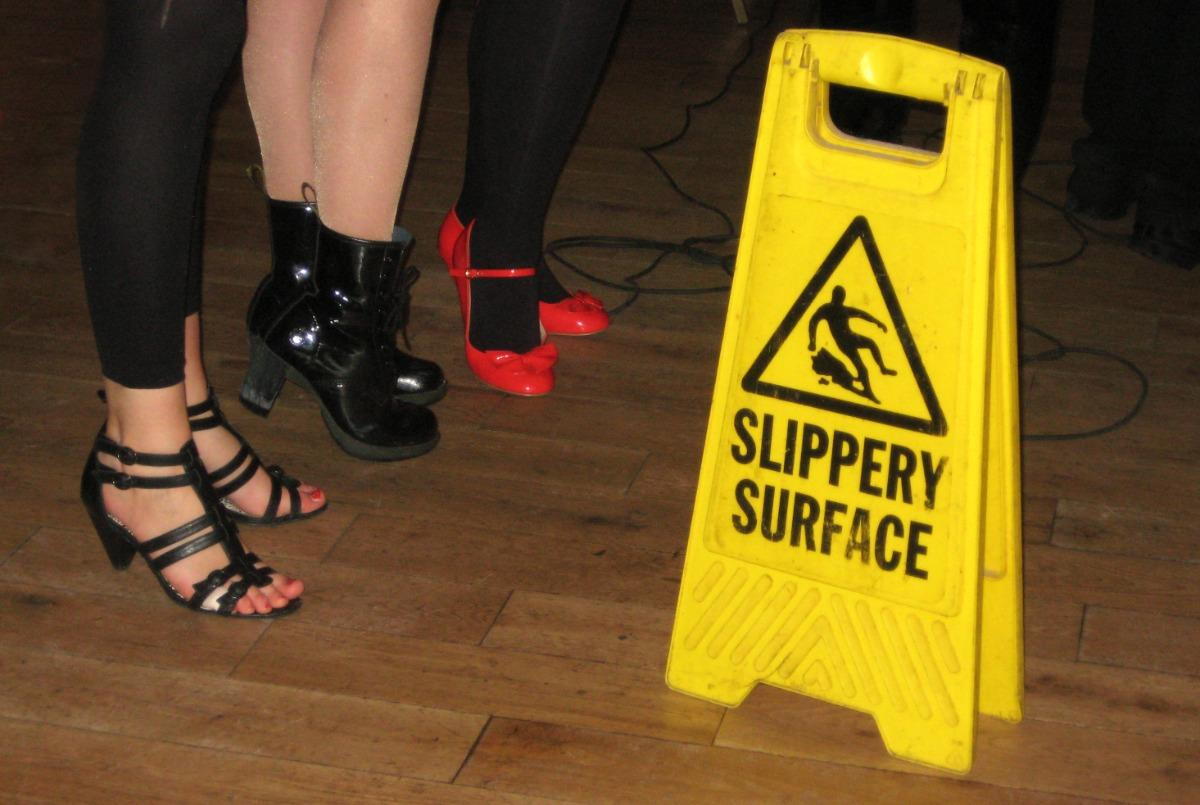
Spilled liquids are perhaps the most persistent slip and fall hazards in alcohol-serving venues. Drinks are frequently carried across crowded floors and accidents are to be expected, such as a dropped glass or an overflowing pitcher. If these spills are not immediately identified and cleaned up, they can create slick surfaces that are difficult to see, especially on hard flooring such as tile or polished wood.
Low lighting can further compound the risks. While it may create a pleasant ambiance, it can also significantly reduce visibility, making spills or obstacles less noticeable. Uneven surfaces, steps without proper markings, or changes in flooring become major tripping hazards when poorly lit.
Alcohol consumption can cause accidents. Inebriated customers may have compromised balance, slower reaction times and impaired judgment. They are more likely to trip or slip and less likely to avoid hazards. They might ignore “wet floor” signs or bump into furniture.
The risk of slips and falls tends to spike during holiday parties and busy seasons, when crowds swell and oversight becomes more challenging. Establishments may hire temporary or inexperienced staff unfamiliar with safety protocols. Temporary decorations and rearranged tables can create unexpected obstructions. The excitement and distractions during parties can make customers less cautious.
When someone suffers a slip and fall injury at a bar, nightclub or restaurant, the primary responsibility for safety may fall on the premises owner or manager. These people have a duty to keep their property reasonably safe for visitors. This includes promptly cleaning up spills, providing adequate lighting, keeping floors in good repair and warning of known hazards. Failure to do so is negligence.
In some circumstances, a third party might bear responsibility. For instance, if an outside contractor such as a cleaning company failed to properly fulfill their obligations, they might be partially liable. If a customer actively creates a hazard, such as by knocking over a drink or starting a fight, that individual may share the fault with the business owner. In rare cases, even caterers and other suppliers, if involved in organizing an event and failing to provide adequate supervision or safeguards, could face liability.
If you slipped, tripped or fell on someone else’s property and were injured, you may be entitled to financial compensation. An experienced premises liability attorney can help you pursue a claim.
Massengill, Caldwell & Coughlin, P.C. has more than 75 years of combined legal experience protecting the rights of injury victims in the greater Upper East Tennessee and Southwest Virginia region. For a free initial consultation, call us today at 423-797-6022 or contact us online.
